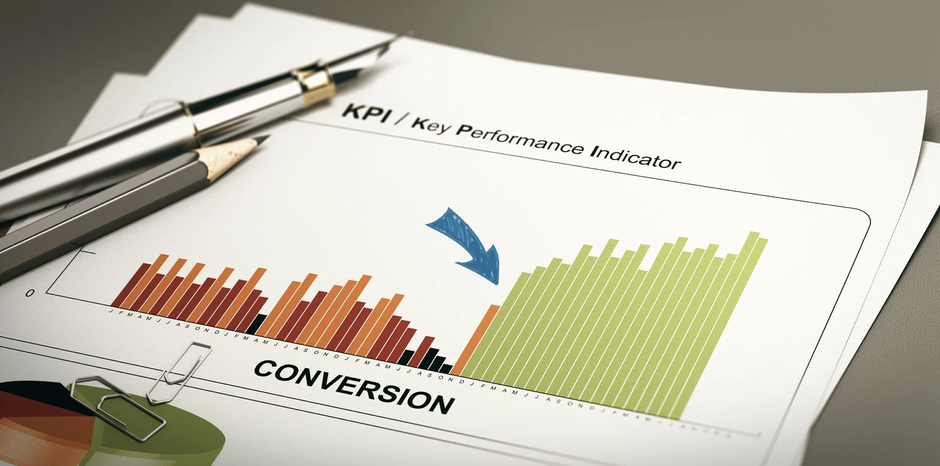

Looking ahead to 2026 requires more than just a crystal ball. It requires an understanding of the technological undercurrents and shifting buyer psychologies currently reshaping the industry. We are moving away from the era of "growth at all costs" and entering an era of efficiency, authenticity, and hyper-relevance. Preparing for this future isn't about adopting every shiny new tool. It is about fundamentally rethinking how you build trust with your audience.
The transition from one year to the next is perhaps the most universally celebrated holiday on Earth, yet the customs surrounding it are as diverse as they are ancient. For many, the routine is standard: a glass of champagne, a rendition of a song nobody quite knows the lyrics to, and a kiss at midnight. But have you ever stopped to wonder why we do these things?
The phones stop ringing. Inboxes go quiet. The office (or Zoom room) feels like a ghost town. For most sales professionals, the end of the year brings a mix of relief and anxiety. While it’s tempting to coast through December on eggnog and leftover PTO, the holiday season actually presents a unique opportunity.
We all think we know the holidays. It's that time of year filled with specific traditions, familiar songs, and the same old stories we’ve heard since childhood. But peel back the layers of tinsel and wrapping paper, and you’ll find a history that is far stranger and more fascinating than the Hallmark movies suggest.
Many businesses view email strictly as a sales channel—a way to blast discount codes and product launches. While it is undoubtedly effective for revenue, treating it solely as a transaction engine is a missed opportunity. When executed correctly, email is one of the most powerful tools for establishing who you are, what you stand for, and why your audience should care. It turns casual browsers into loyal advocates.