
 Generic marketing rarely converts. People expect content that speaks to their needs, their industry, and where they are in the buying process. That's why personalization has become one of the most effective ways to improve lead generation results. But here's the catch: many marketers only personalize one part of the funnel—usually the email follow-up—and leave the rest on autopilot. To get the biggest impact, you need to weave personalization throughout the entire journey, from the first ad a prospect sees to the final nudge before they buy.
Why Personalization Matters At Every Funnel Stage
Someone at the top of the funnel is just discovering your brand. Someone at the bottom is comparing you against competitors and looking for a reason to commit. If you serve both groups the same message, you'll lose the people who need something more specific. Personalization closes that gap. It signals that you understand the prospect's situation, which builds trust and keeps them moving forward. Applied across the full funnel, it compounds—each tailored touchpoint reinforces the last, creating a smoother path to conversion.
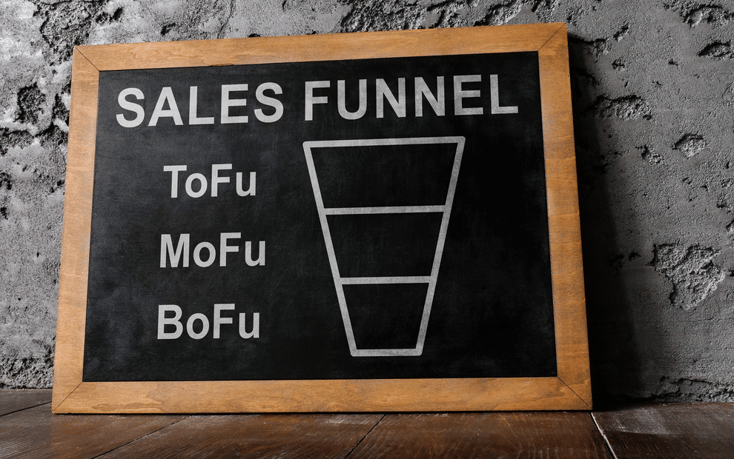
Top Of The Funnel: Attract The Right People
The top of your funnel is all about awareness. Your goal is to capture attention and pull in the right audience—not just any traffic. Personalization here means tailoring your messaging to specific segments rather than casting one wide, generic net.
Personalized Ads And Social Content
Segment your ad campaigns by audience traits like industry, job role, or pain point. A SaaS company, for example, might run separate ad sets for marketing managers and IT directors, each with messaging that speaks to their unique priorities. The more relevant the ad, the higher your click rate and the lower your cost per lead.
Dynamic Landing Pages
Once a prospect clicks, send them to a landing page that matches the ad they came from. If your ad promised "time-saving tools for remote teams," the landing page headline should echo that exact promise. You can also use dynamic text replacement to swap in keywords based on the visitor's search term or source, making each page feel custom-built.
Middle Of The Funnel: Nurture With Relevance
By the middle of the funnel, prospects know who you are. Now they're weighing whether you're worth their time. This stage is where personalization can dramatically improve engagement, because you have more data to work with.
Tailored Lead Magnets
Offer content that matches the interest’s prospects have already shown. Someone who downloaded a beginner's guide should be offered an intermediate resource next—not the same introductory material. Segment your lead magnets by topic, role, or funnel stage so each offer feels like a natural next step.
Behavior-Based Email Nurtures
Email is where most marketers focus their personalization efforts, and for good reason. Go beyond inserting a first name. Trigger emails based on actions—like visiting a pricing page, downloading a specific asset, or attending a webinar. A prospect who watched your product demo should receive different follow-up than someone who only read a blog post. Use these signals to adjust your messaging, timing, and calls to action. The result is a nurture sequence that feels less like a broadcast and more like a one-on-one conversation.
Bottom Of The Funnel: Convert With Precision
At the bottom of the funnel, prospects are close to a decision. Small, well-placed personalization can be the difference between a closed deal and a missed opportunity.
Customized Offers And CTAs
Match your offer to the prospect's behavior and stage. Someone who has visited your pricing page three times might respond well to a limited-time discount or a free trial. Someone still comparing options might need a case study from their own industry. Tailor your calls to action so they address the specific hesitation holding the prospect back.
Personalized Sales Outreach
When a lead is sales-ready, hand your team the context they need to personalize their outreach. Reference the content the lead engaged with, the problems they've signaled, and the solutions most relevant to them. A sales email that mentions a prospect's specific challenge will always outperform a generic pitch.
Turning Personalization Into Pipeline
Personalization isn't about adding a first name to an email. It's about meeting prospects where they are at every step—from the first ad to the final sales call. When you apply it consistently across your funnel, each touchpoint builds on the last, creating a smoother, more persuasive journey toward conversion.