

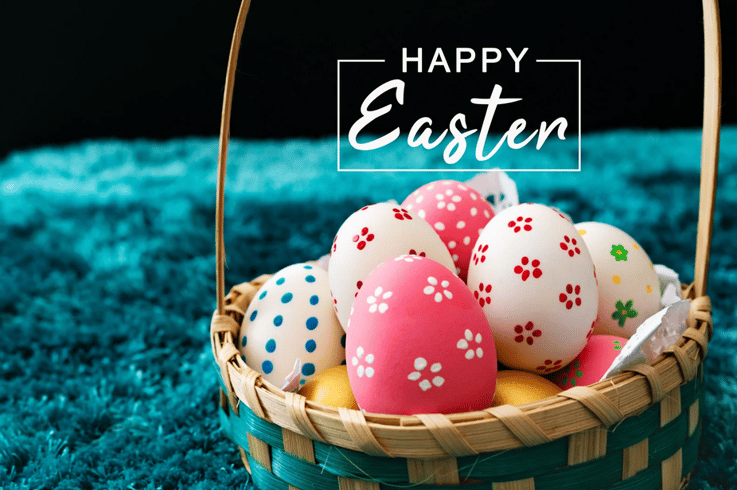
Spring has arrived, bringing with it pastel colors, blooming flowers, and plenty of chocolate. People around the world celebrate Easter with family gatherings, massive feasts, and exciting egg hunts. But behind the brightly colored baskets lies a rich history filled with fascinating trivia.
The Incredible Volume Of Jelly Beans
Americans consume an astonishing 16 billion jelly beans during the Easter season. If you lined up all those jelly beans end to end, they would circle the globe more than three times. The connection between jelly beans and this holiday likely started in the 1930s, when candy makers promoted them because their shape resembled miniature bird eggs.
The Marshmallow Peep Phenomenon
While chocolate dominates the holiday, marshmallow Peeps hold a special place in the hearts of many. They are one of the most popular non-chocolate Easter candies in the United States. When the company first started manufacturing these fluffy treats in the 1950s, it took 27 hours to create a single Peep by hand. Today, modern machinery produces one Peep in just six minutes.
How You Eat Your Chocolate Bunny Matters
An overwhelming majority of people share a specific habit when it comes to eating hollow chocolate bunnies. A survey by the National Confectioners Association revealed that 76% of Americans eat the ears first. Only a small fraction of people start with the feet or the tail.
The Origins Of The Easter Bunny
Rabbits have symbolized fertility and new life since ancient times. The specific tradition of a bunny delivering candy originated in Germany. German immigrants brought the legend of the "Osterhase" (an egg-laying hare) to Pennsylvania in the 1700s. Children would build nests out of clothing in hopes that the hare would leave colorful eggs overnight.
The White House Egg Roll
The White House's annual Easter Egg Roll is one of the oldest ongoing traditions in American history. President Rutherford B. Hayes started the event in 1878. He opened the South Lawn to children after the United States Congress passed a law banning kids from rolling eggs on the Capitol grounds.
Flying Bells In France
In France, you will not find the Easter Bunny delivering treats. French tradition dictates that flying church bells bring the candy. According to the story, all the church bells in France sprout wings and fly to Rome on Good Friday to be blessed by the Pope. They return on Sunday morning, dropping chocolates and presents for children along the way.
Solving Crimes In Norway
Norwegians have a highly unusual tradition called "Påskekrim," which translates to Easter crime. During the holiday week, people across Norway read mystery novels, watch crime shows on television, and try to solve puzzles printed on milk cartons. The tradition began in 1923 after a book publisher launched a highly successful marketing campaign for a new crime novel on the front page of a national newspaper.
Impress Your Family This Spring
Knowing these surprising facts transforms a standard holiday dinner into a lively conversation. You now have plenty of fun trivia to share while watching the kids search for plastic eggs or while passing the dinner rolls.