

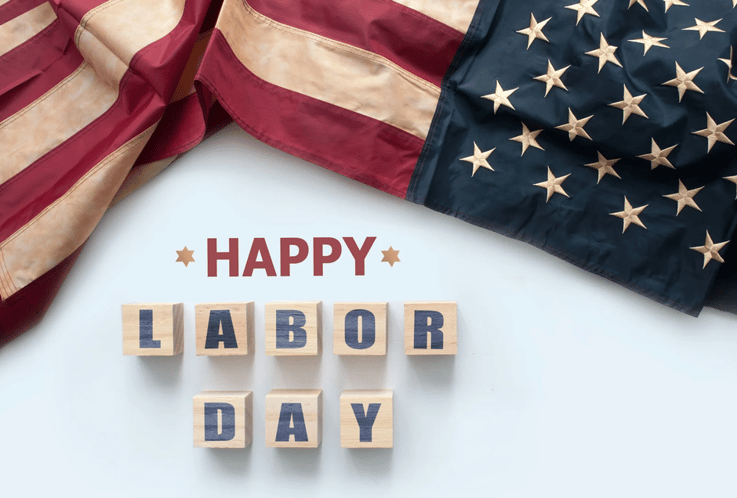
 For most people, Labor Day means one thing: a three-day weekend that closes out summer. Backyard barbecues, one last trip to the beach, and some serious sales at the mall. But there's a lot more to this holiday than burgers and discounts. Let's dig into the stories behind the holiday.
How Did Labor Day Become A National Holiday?
Labor Day's path to becoming a federal holiday is tied to a dark chapter in American history. In 1894, workers at the Pullman Company in Chicago went on strike after wages were cut. The strike grew into a massive nationwide railroad boycott led by the American Railway Union. The federal government sent in troops to break it up, and the conflict turned deadly—dozens of workers were killed or injured.
In an effort to repair relations with the labor movement, President Grover Cleveland signed a law making Labor Day a national holiday. He did so just days after the Pullman Strike ended, on June 28, 1894. Some historians argue it was as much a political move as a gesture of goodwill.
Was Oregon The First State To Recognize Labor Day?
Yes. While New York City hosted the first celebration, Oregon was the first state to make it an official public holiday, passing the law on February 21, 1887.
New York, Massachusetts, Colorado, and New Jersey followed close behind that same year. By the time the federal government stepped in seven years later, 23 states had already adopted the holiday.
Why Can't You Wear White After Labor Day?
You've probably heard the old fashion "rule": no white after Labor Day. But where did it come from?
There are a few theories. One popular explanation traces it back to the early 20th century, when wealthy elites wore light, airy clothing at their summer homes and switched back to darker city attire once vacation season ended. Wearing white afterward signaled you were out of touch with the social calendar.
Another theory is simply practical. White clothing kept people cooler during hot summer months, so packing it away after Labor Day made seasonal sense.
Either way, the rule has faded over time. Fashion icons like Coco Chanel famously wore white year-round, and most style experts today consider the guideline outdated.
How Is Labor Day Celebrated Around The World?
The U.S. and Canada celebrate Labor Day in September, but most other countries mark a similar holiday on May 1, known as International Workers' Day or May Day.
Canada's version has roots that predate the American holiday. Labor demonstrations in Toronto in 1872 helped inspire the movement, and some historians believe these Canadian events influenced the later U.S. celebrations.
So while the date may differ, the spirit—honoring workers and their contributions—is shared across borders.
What Are Some Quick Labor Day Facts Worth Knowing?
Here are a few extra tidbits to share at your next cookout:
-
It's a major shopping event. Labor Day weekend has become one of the biggest retail sale periods of the year, second only to the winter holiday season.
-
It marks the unofficial end of summer. Though summer technically runs until the autumn equinox in late September, many Americans treat Labor Day as the season's closing bell.
-
The average American works a lot. Labor Day celebrates workers, and U.S. employees log some of the longest hours among developed nations.
-
Football season kicks off. The NFL and college football seasons traditionally begin around Labor Day weekend, adding to the festivities.
Why Labor Day Still Matters Today
Labor Day started as a tribute to the people who build, grow, serve, and power the country. Behind the sales and cookouts is a reminder of the hard-won rights many of us take for granted—the eight-hour workday, weekends off, and safer working conditions.
The next time you enjoy that three-day weekend, take a moment to remember the workers who marched through New York City in 1882. Their efforts helped shape the modern workplace.