

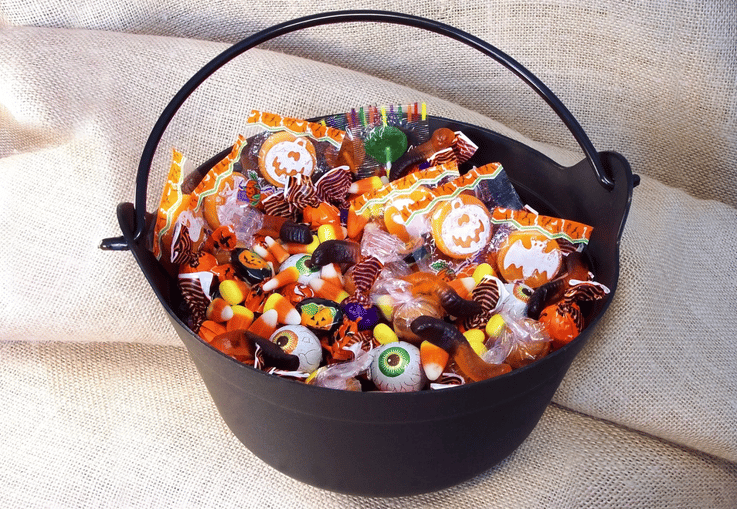
 Halloween is one of those rare holidays that blends ancient tradition with modern mischief. Kids dress up as superheroes and ghosts, neighborhoods glow with carved pumpkins, and the smell of candy corn fills the air. But behind the costumes and candy lies a rich history — and a few safety considerations every parent should know before sending their kids out the door.
How Did Candy Corn Become A Halloween Staple?
It was first created by George Renninger in the 1880s, an employee of the Wunderle Candy Company in Philadelphia, and later mass-produced by the Goelitz Confectionery Company (now the Jelly Belly Candy Company) starting in 1898. Choose candy corn if you want a candy with genuine historical staying power, since its tri-color recipe of yellow, orange, and white has barely changed in over 130 years.
Despite its long history, candy corn remains divisive. Some people consider it a nostalgic Halloween must-have, while others rank it among the most disliked Halloween candies every year. Either way, it's hard to deny its place as one of the most recognizable symbols of the holiday.
How Much Do People Spend On Halloween Each Year?
Halloween has grown into a massive commercial holiday. Costumes alone account for billions of dollars in spending, with adult costumes, children's costumes, and even pet costumes all contributing to the total.
This spending reflects just how mainstream Halloween has become. What started as a solemn, spirit-warding festival is now a commercially significant holiday in the United States, trailing only behind Christmas in terms of overall retail spending.
What Is The Origin Of Trick-Or-Treating?
Trick-or-treating has several possible origins. One theory points to the medieval practice of "souling," in which poor people went door to door on All Souls' Day, offering to pray for the dead in exchange for food, often small pastries called "soul cakes." Another theory connects it to "guising," a Scottish and Irish tradition where children dressed in costumes and performed songs, poems, or tricks in exchange for treats.
The modern American version of trick-or-treating took shape in the early 20th century and became widely popular by the 1950s, partly as a way to channel Halloween mischief, which had previously included vandalism and pranks, into a safer, community-friendly activity.
What Are The Most Important Halloween Safety Tips For Trick-Or-Treaters?
Halloween is meant to be fun, but a few precautions can prevent accidents and keep the night running smoothly. Here are the essentials every family should consider before heading out.
What Should Trick-Or-Treaters Bring With Them?
-
Flashlights or glow sticks. These make children more visible to drivers and help light the path on dimly lit streets.
-
A phone (for older kids). If children are trick-or-treating independently, a phone allows them to stay in contact with parents or guardians.
-
A planned route. Sticking to familiar, well-lit neighborhoods makes it easier for parents to track their kids' whereabouts and reduces the risk of accidents.
How Can Parents Keep Candy Safe To Eat?
-
Inspect all candy before eating it. Only allow children to eat candy that's in its original, sealed wrapper.
-
Watch for allergens. Check labels for common allergens like peanuts, tree nuts, and dairy, especially if trick-or-treating in unfamiliar neighborhoods.
-
Limit consumption in one sitting. Encourage kids to spread out their candy intake over several days rather than eating it all at once.
How Can Homeowners Prepare Their Homes For Trick-Or-Treaters?
If you're handing out candy, a few small steps go a long way in keeping visitors safe:
-
Light up your walkway. Clear, well-lit paths help prevent trips and falls on uneven ground.
-
Keep pets secured. Even friendly pets can become startled or anxious with a steady stream of costumed visitors at the door.
-
Remove tripping hazards. Clear your porch and walkway of decorations, cords, or debris that could cause someone to stumble.
-
Use battery-operated candles in pumpkins. This reduces fire risk, particularly if pumpkins are placed near dry leaves or decorations.
Make This Halloween One To Remember — Safely
Halloween's blend of ancient ritual and modern celebration is part of what makes it so enduringly popular. From its Celtic origins in Samhain to today's neighborhood trick-or-treating traditions, the holiday has always been about community, creativity, and a little bit of mystery.